
Bulletproof Glass
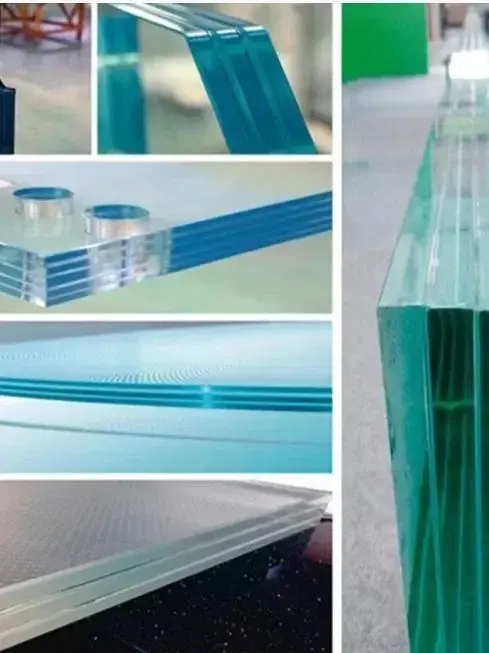
Bulletproof glass, also known as ballistic glass, is a high-security glazing material made from multiple layers of laminated glass and tough interlayers such as PVB or polycarbonate. These layers work together to absorb and disperse the energy of bullets or heavy impacts, preventing penetration while maintaining visibility. Unlike ordinary tempered glass, which shatters into small fragments, or standard laminated glass, which offers only limited strength, bulletproof glass is engineered to withstand multiple rounds or forceful blows.

Engineered for Certified Ballistic Protection

High-Level Ballistic Protection

Multi-Layer Laminated Structure

Shatter-Resistant Performance

Certified Safety Standards

Custom Thickness Options

Clarity with High Strength

Durable Long-Term Reliability

Trusted in Critical Applications

Bulletproof Glass: Engineered safety where protection is non-negotiable.
Where bulletproof glass meets architectural precision

Vehicle-Grade

Optical Clarity

Edge

Finish Options
Shapes & Sizes

Thickness Levels

How bulletproof glass is tested for critical protection
Bulletproof glass undergoes controlled impact testing, layer integrity analysis, and thickness verification. These tests confirm the glass can withstand high-energy forces while maintaining transparency and structural reliability in high-security environments.
Applications of
Bulletproof Glass
Used in environments where enhanced security and impact resistance are essential.

Banks and Financial Institutions
Provides high-level protection while maintaining transparency in secure financial environments.

Embassies, Government Buildings, and Military Facilities
Ensures enhanced security against ballistic threats in sensitive governmental facilities.

Airports and Transport Hubs
Protects critical areas while preserving visibility in high-traffic public infrastructures.

Vehicles
Safeguards occupants by resisting ballistic impact in armored transportation solutions.

Jewelry Stores
Prevents forced entry while allowing clear product visibility in high-value retail spaces.

What Is
Bulletproof Glass
Low-E (Low Emissivity) glass features a microscopically thin, transparent coating designed to reduce heat transfer while maintaining high levels of natural light. It improves energy efficiency, indoor comfort, and overall thermal performance in modern buildings.
Benefits of
Bulletproof Glass
Security Integration
Suitable for high-risk architectural applications.
Multi-Layer Construction
Combines strength with controlled transparency.
Enhanced Safety
Provides protection for people and property.
Impact Resistance
Designed to withstand forced impact and threats.
Bulletproof Glass vs. Standard Laminated Glass
A comparison focused on security performance, impact resistance, and protective applications.
Composed of glass layers bonded with a single or limited interlayer.
Designed to improve safety rather than resist ballistic threats.
Holds fragments together when broken to reduce injury risk.
Lighter and thinner compared to bullet-resistant glazing.
Commonly used in façades, skylights, and safety glazing applications.
Engineered with multiple glass and interlayer layers for ballistic resistance.
Designed to stop bullets and high-impact projectiles.
Maintains integrity under extreme force and repeated impacts.
Typically thicker and heavier due to enhanced protection layers.
Used in high-security buildings, banks, and protective facilities.