


What Is a Curtain Wall System?
A curtain wall is a non-structural outer wall that hangs like a curtain on the building’s frame. It is typically made of lightweight materials such as aluminum and glass, designed to resist air and water infiltration while allowing natural light to enter the building. Unlike traditional walls, curtain walls do not carry the building’s load—they serve as a protective and aesthetic facade.
Other Curtain Walls We Offer


Why Choose Our Curtain Wall System
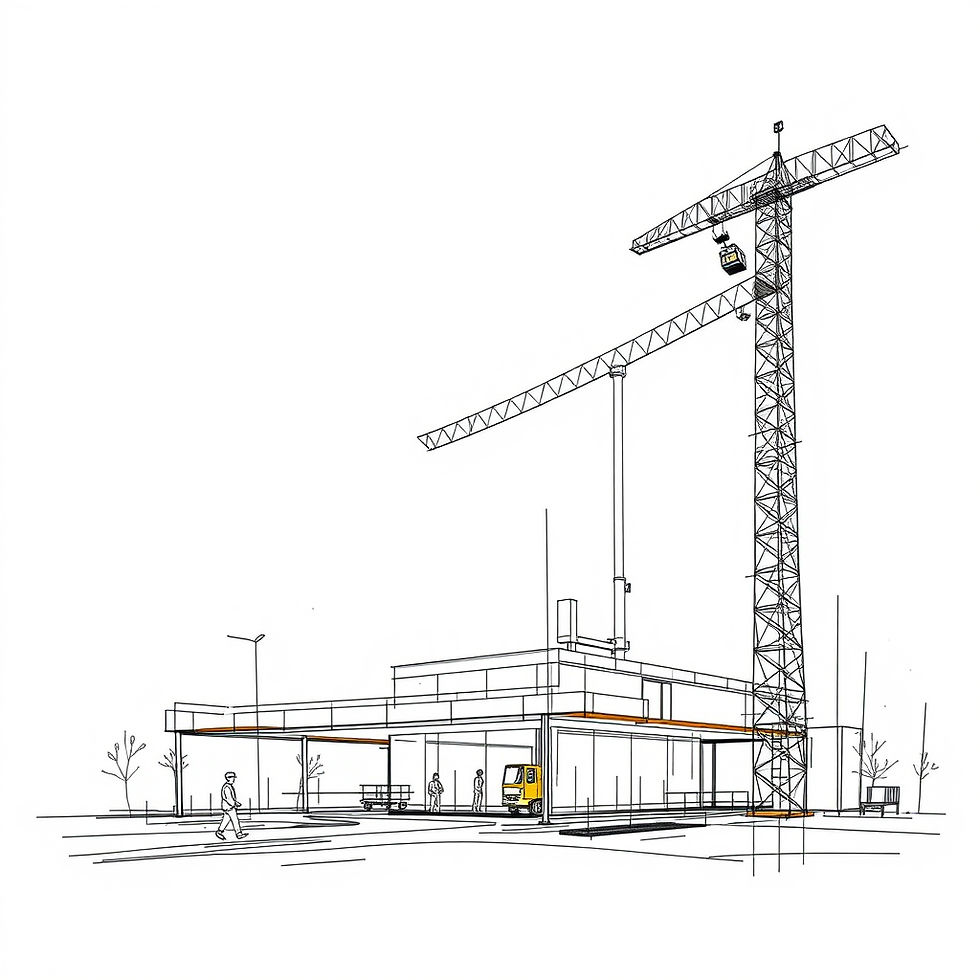
From design, manufacturing to on-site installation solution

Wide range of curtain wall systems

Precision manufacturing with quality materials

Strict quality control and testing

Customization for unique architectural designs

Fast lead times and reliable delivery

Professional technical and design support

Get support for your project
Need Unique Curtain Wall for Your Project?


Quality Control Standard We Follow

Mock-Up and Field Test Support

In-Process and Final Assembly Inspections

Wind Load and Impact Resistance Tests

Thermal and Acoustic Performance Evaluation

Air and Water Tightness Testing

ISO 9001 Certified Manufacturing

ASTM and EN Standard Compliance

Strict Raw Material Inspection

Precision CNC Machining and Fabrication

Surface Treatment Quality Testing


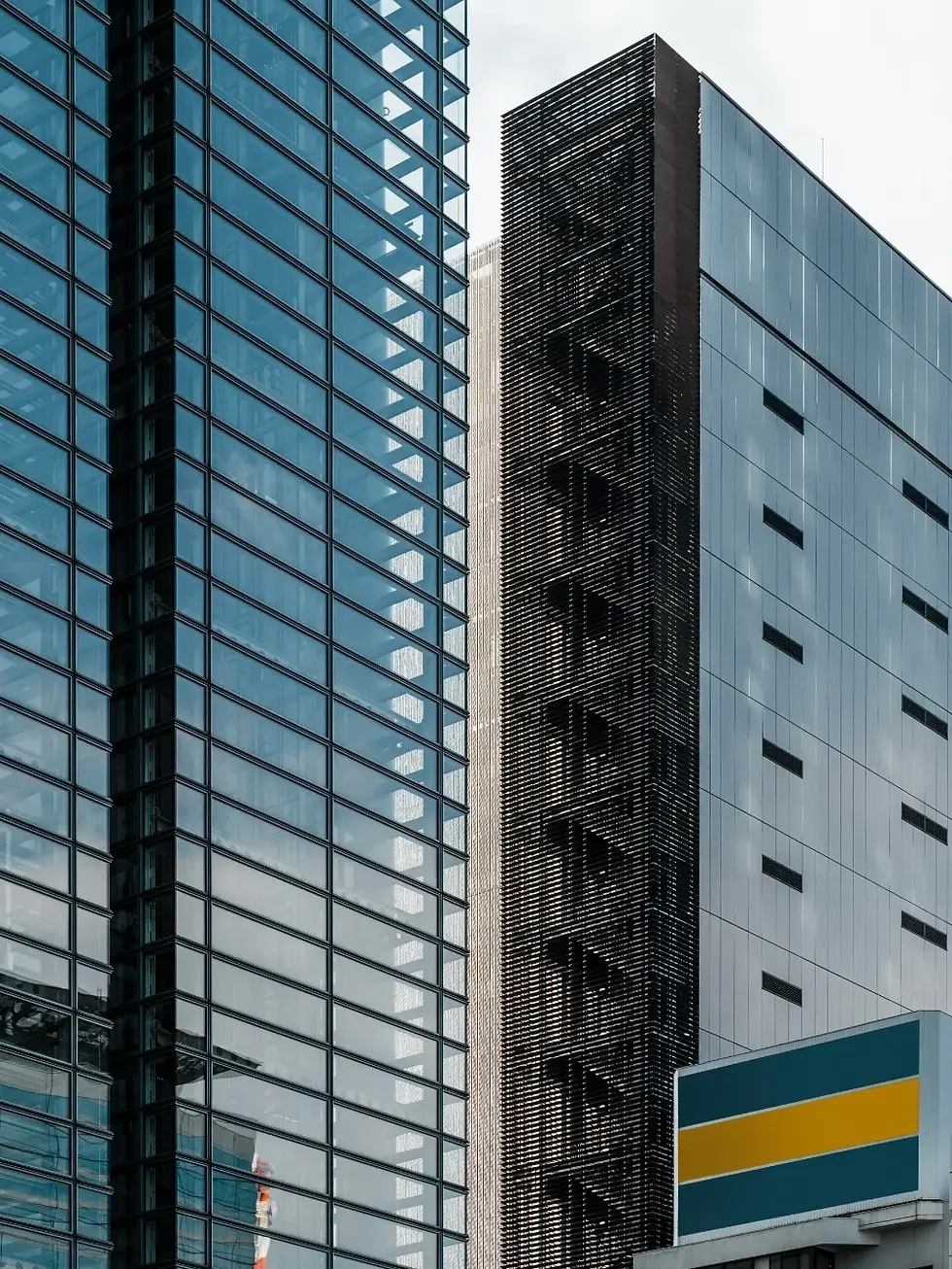


Curtain Walls Gallery


Installation Support

On-site installation and guidance

Technical documentation and videos

Remote support

Benefits of Curtain Wall Systems

Modern and Sleek Appearance

Natural Light Optimization

Lightweight Structure

Energy Efficiency

Weather Protection

Acoustic Insulation

Design Flexibility

Increased Property Value
Curtain Wall Maintenance Tips
Proper maintenance is essential to extend the lifespan and performance of your curtain wall system. Routine inspections and cleaning help prevent damage and ensure long-term durability.
-
Clean the Glass and Frames Regularly
-
Inspect Sealants and Gaskets
-
Check for Water Infiltration
-
Tighten and Secure Fasteners
-
Schedule Annual Professional Inspections
-
Keep Drainage Paths Clear

Curtain Wall vs. Window Wall
Feature | Curtain Wall | Window Wall |
|---|---|---|
Design Flexibility | Highly customizable for unique façade concepts | More standardized, modular look |
Application | Ideal for high-rise, complex façades | Common in mid-rise residential or commercial buildings |
Cost | Higher initial cost, more complex system | Generally more cost-effective |
System Type | Usually unitized or stick systems | Pre-fabricated window units |
Appearance | Seamless glass façade with hidden slab edges | Visible slab edges between floors |
Installation Location | Mounted outside the slab edge (continuous façade) | Sits between slabs (like window units) |
Structural Role | Non-load-bearing, hangs from the building structure | Installed between floor slabs, may bear some load |
FAQs About Curtain Wall
A curtain wall must ensure structural integrity, weather resistance, thermal and acoustic insulation, durability with low maintenance, and aesthetic appeal to enhance building design.
With proper design, quality materials, and regular maintenance, curtain walls can last 30 to 50 years or more, depending on environmental conditions.
Architects often choose curtain walls for their design flexibility, ability to span multiple floors, and enhanced performance in air and water resistance compared to window walls.
No, curtain walls are non-load-bearing systems that support only their own weight and environmental loads, transferring these forces to the building’s structural framework.
Yes, curtain wall systems can incorporate operable windows or vents, allowing for natural ventilation while maintaining the façade’s aesthetic and performance.


